
“Emergence” has appeared in the York Press as part of an article covering the show at the Mercer gallery in Harrogate and the charity behind it.
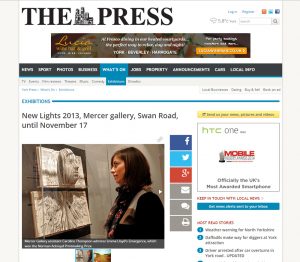
“Emergence” has appeared in the York Press as part of an article covering the show at the Mercer gallery in Harrogate and the charity behind it.
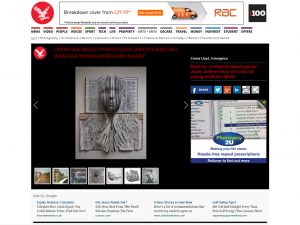
I am delighted to discover my work has been placed in the Independent‘s online gallery sharing some of the work on show at the New Lights exhibition in Harrogate.
Also included in the feature: Josie Jenkins, Sarah Harris, Ben Mosley, Karolina Szymkiewicz, Jonathan Ashworth and Hannah Ostapjuk.
I have received some exceedingly exciting news this evening! My piece Tameidiau Ohona’i has been awarded the Norman Ackroyd Printmaking Prize at New Lights. Such an honour!
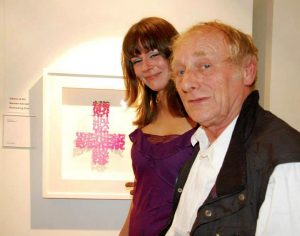
My work will be on show at the Mercer Gallery in Harrogate from 21st September until 17th November alongside other shortlisted artists. The gallery is open Tuesdays to Saturdays 10am-5pm and Sundays from 2pm-5pm.

I am thrilled to report I have had two pieces shortlisted for the New Lights Art Prize. The exhibition is due to open at the Mercer Gallery in Harrogate and will run from 21st September until 17th November. It will move on to The Biscuit Factory, Newcastle in January 2014. More information coming soon…
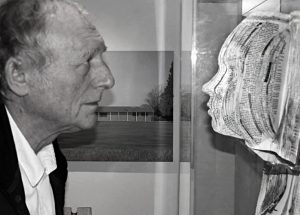
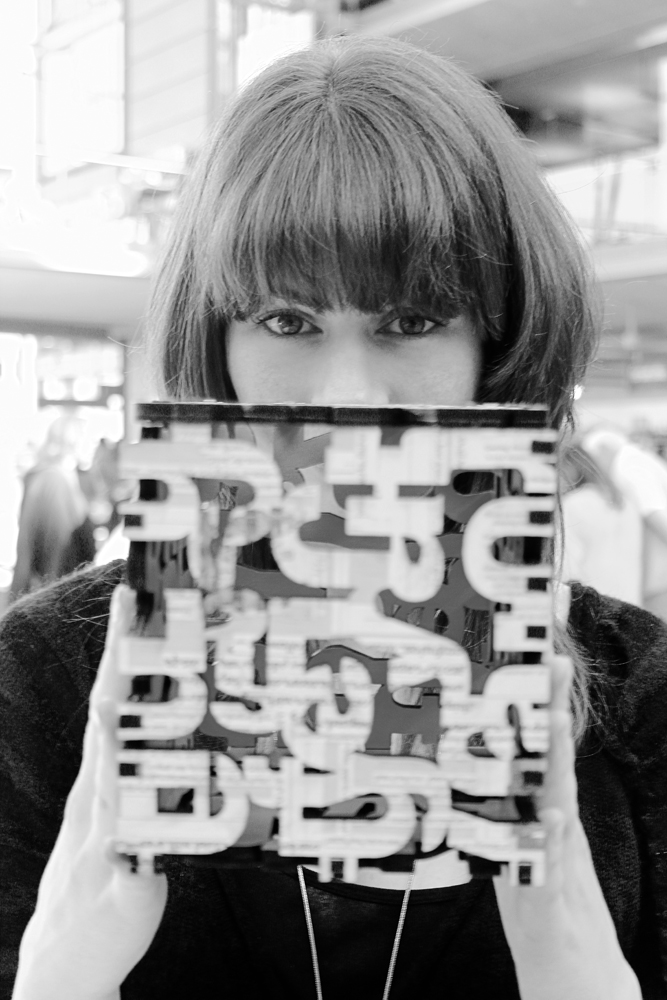
A few photographs from Turn the Page 2013. A few images appear courtesy of Turn the Page.
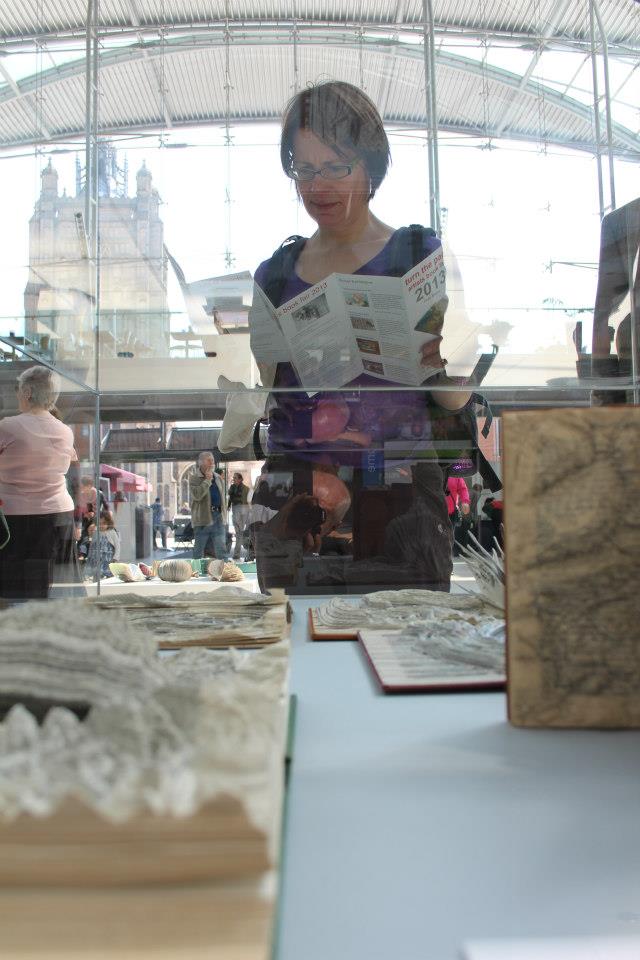
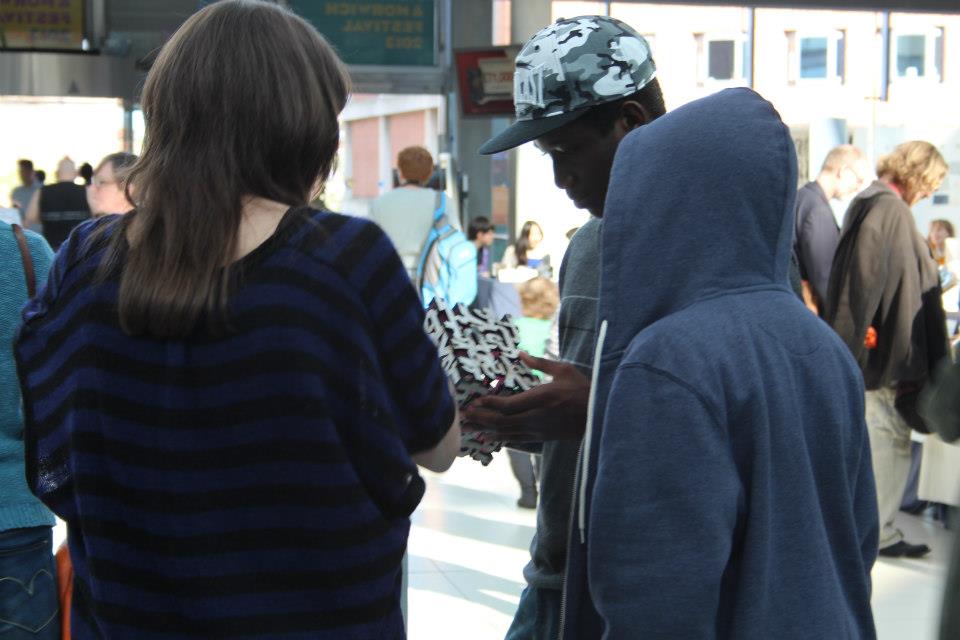
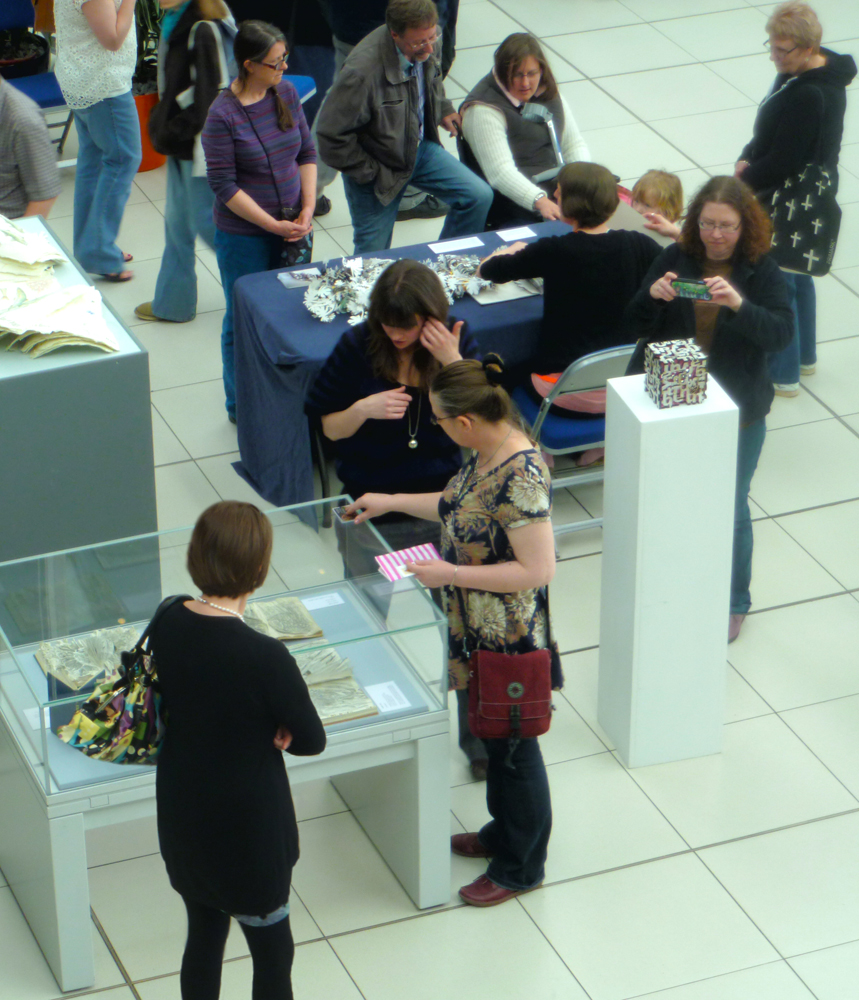
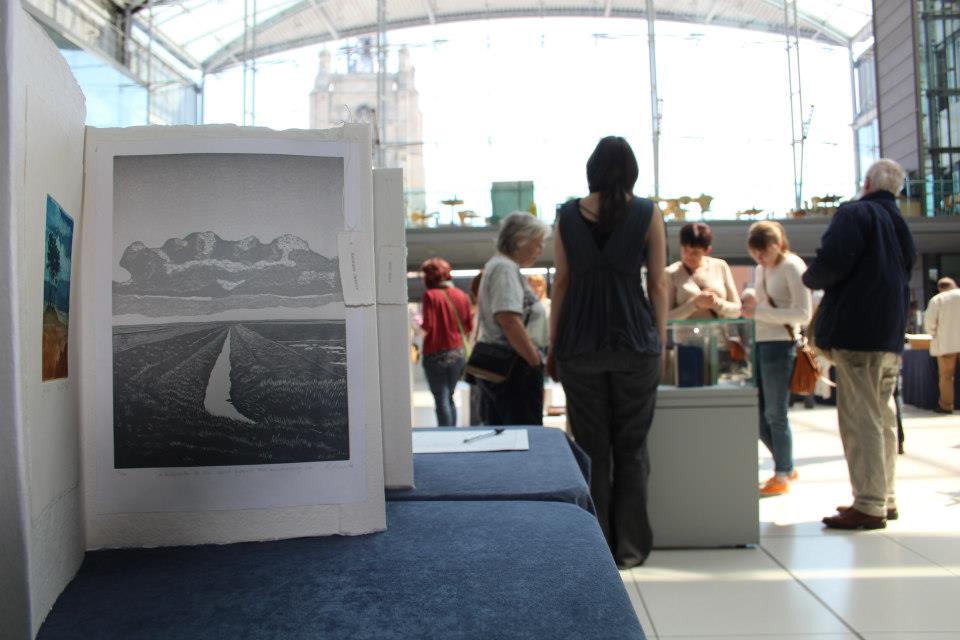
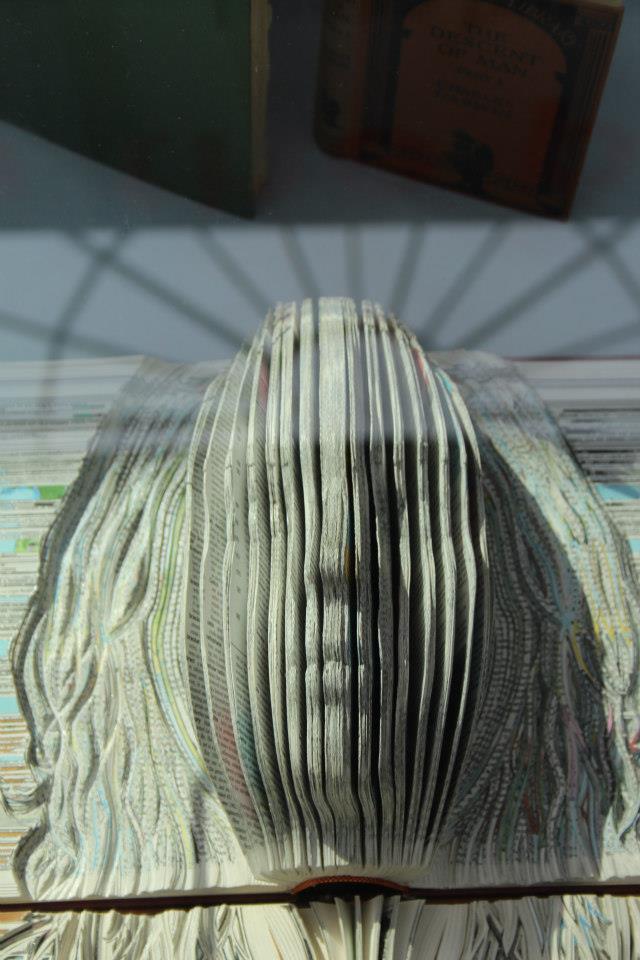
Little bit of information about my upcoming show at Turn the Page 2013 in Reepham Life featuring my piece “Lowson’s Textbook Erosion”.
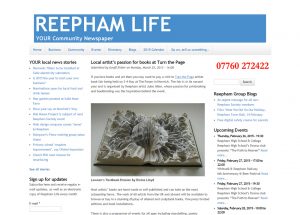
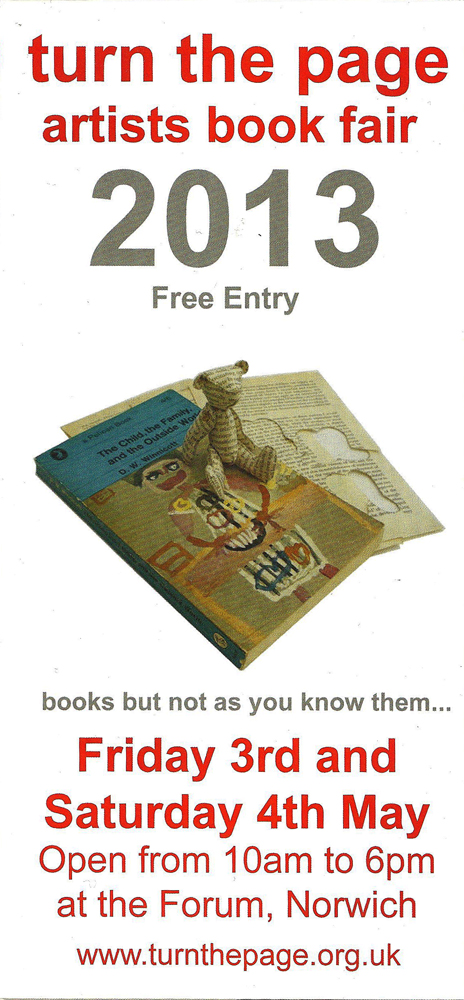
I am pleased to announce that I will be showing work at Turn the Page 2013. The event will take place on 3rd and 4th May at The Forum in Norwich. Sixty artists from the UK and abroad will be showcasing their work (which will be available to browse or purchase).
There is also a programme of events for all ages including storytelling, poetry recitals, demonstrations and a drop-in workshop. Visitors will also be able to visit Dolores – a 1950s Citroën van that has been converted into a mobile artists’ book library.
During the event, there will be the chance to contribute art, stories about people or events and poetry of your own to the ever growing Norfolk Longbook – a community project for people who live in or are inspired by the county.
Looking forward to giving a talk to creative arts students at Trafford College today. Starting at 12pm, I will be discussing good artistic practice and my interests as a creative practitioner.
The interview conducted by Richard Evans at Creative Industries Trafford has been put up on their site along with the speech I gave at the Waterside Open 2012.
Here are the questions he asked me and my responses:
RE (Richard Evans): What led you to become a book artist? What single event, in your life, prompted your passion to work in this area?
EL (Emma Lloyd): The decision to use books in my recent work has been part of a natural progression within my practice. Through exploration of paint I became interested in layering autographic techniques accessible through printmaking and photography. Subsequently I began to consider the depth that was developing within the surface of my pieces.
For that reason I would be more inclined to describe myself as an artist currently using books. I view materials as an important component that can be utilised, assisting the reading of my themes.
RE: What do you find inspires you in your creations and stimulates your creativity?
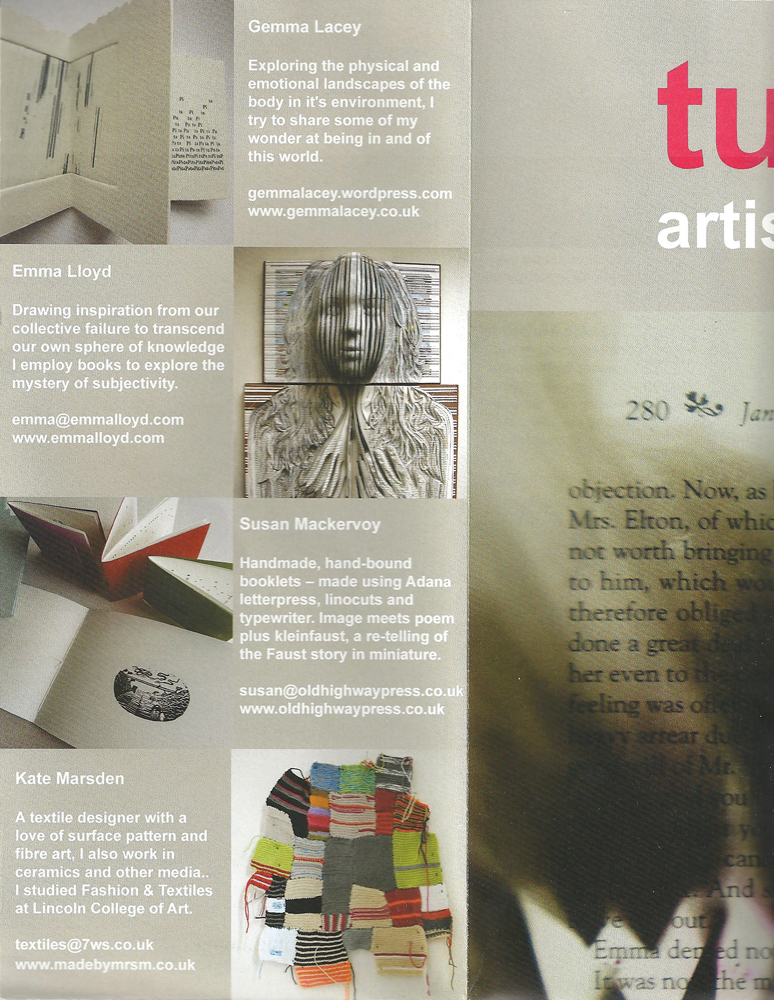
EL: I draw inspiration from our collective failure to transcend our own sphere of knowledge. Books are the perfect vehicle for exploring this mystery of subjectivity. The physical make-up, written word and title of the book serve as something neutral: the premise on which a subjective interpretation (or image) is formed.
RE: What is your experience as an artist living and working in Trafford? What makes you stay here over, say, moving to London or another bigger centre?
EL: Trafford offers a lot to artists; not only in its proximity to a few major cities, but in the networks encouraged through organisations such as Creative Industries.
Engaging with your environment is a key part of the creative process, ideas evolving in certain ways as a result. Whilst living in remote areas my concepts meditated nature. Since moving to Trafford my work has reflected human concerns: mortality, perceptions, notions of self and ‘belonging’.
As we become more connected than we have ever been, art is increasingly accessible in any location. Where you are is perhaps not as important as it once was.
RE: How has your work been acknowledged and celebrated?
EL: I am fortunate to have been given the opportunity to display work in various locations and received recognition for different aspects of my practice. Some recent highlights include: Best in Trafford 2010, Third Prize in Los Angeles for Fabrik Magazine’s 2011 competition, shortlisted in Art of Giving at the Saatchi gallery 2010, Northern Artist Prize 2009 and Best Installation 2010 at the National Open Art Competition, Chichester.
RE: What future projects do you have in the creative pipeline? How do you see your work developing in the future?
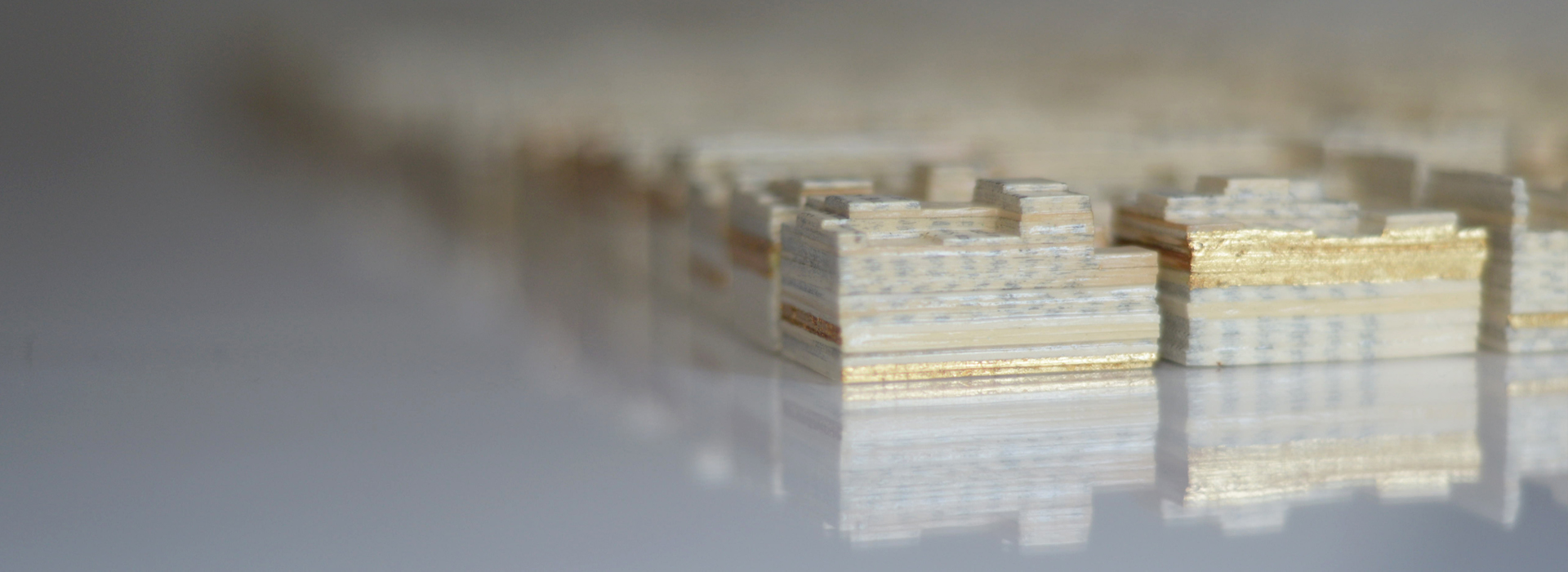
EL: My latest body of work “Tameidiau Ohona’i” (Fragments of Me), considers language and how the written word can become a barrier. English, Welsh and visual language are dissected and re-formed; unified through processing. As they retain some of their underlying structure there is a degree of familiarity with what is produced, yet the symbols and shapes we see before us are alien.
RE: What challenges have you faced that you feel are unique to working as a book artist?
EL: Books are all unique in regards to their binding and the paper used. This is a challenge when you are trying to push them to adopt un-natural positions.
Another difficulty can be how your medium is perceived- the classic art or craft debate. Is “craft” a term for something purely visual? Can it be conceptual? Through categorisation do we limit our understanding by discounting other readings?
RE: What process do you go through when selecting books for your work? Do certain books inspire and shape the work you create?
EL: Any decisions regarding methods and materials are preceded by philosophical inception. Once I have a design, I begin selecting titles that will assist the reading of the piece. Paper has to be of a good quality and bound in a hard cover with spine still intact so that it can take the abuse!
RE: Your comments about the civilised world being inconceivable without paper are very interesting. What are your thoughts on digitisation of the arts? Are we in danger of becoming a culture without artefacts – eg: if music and books become digitised, what is left behind for future generations?
EL: Digitalisation of the arts is necessary for its evolution. Our world includes more technology, therefore it is natural for art to respond to and reflect this. However, the more digitised we become, the more precious physical artefacts will be. I believe this may encourage the collection of such things. As a direct result, I imagine that books will accrue significance as a material.
For me, the digital feels somewhat removed. Things often stripped down to their most simplistic form; music becoming just sound and a book only words. The physical interaction you once had was part of the experience. The feel, the act of holding and leafing through pages of album artwork or books is a component of engagement. I feel that many artists look for tactile qualities. For this reason I believe that art will always be produced in both analogue and digital forms.